

Anvil Hotplate Care
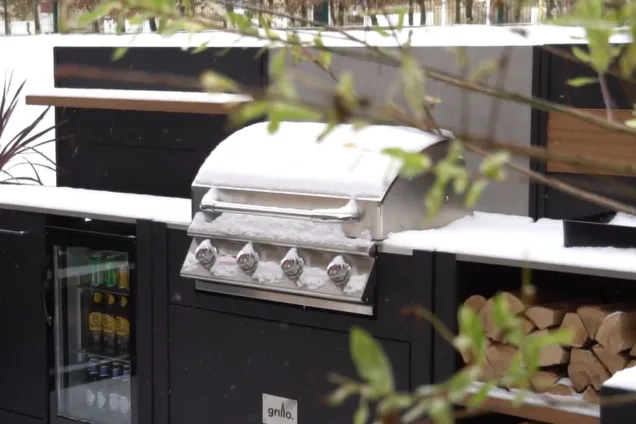
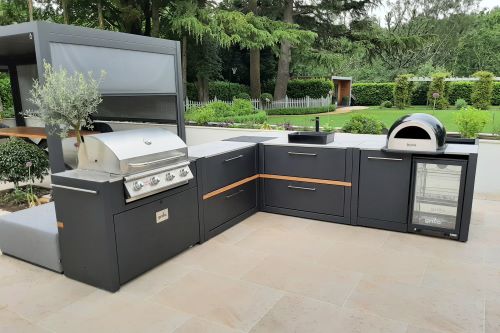
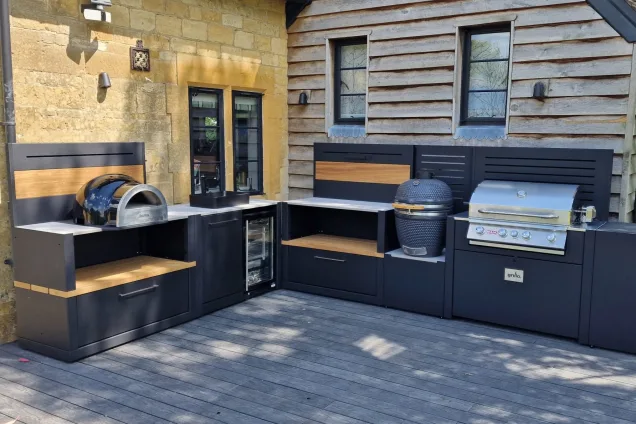
With the seasonal changes of the UK, make sure you make the most of your outdoor kitchen and Chef’s Anvil Hotplate throughout the year! Once it gets colder, there’s nothing like gathering around with friends, feeling the crisp cold winter air on your face, whilst warming your hands by a blazing open fire. Add that to some good food, cooking gently on the side of the Chef’s Anvil, and some freshly warmed mulled wine… it’s a recipe for some amazing memories.
Here are a few best practice tips to help you care for your Anvil hotplate and ensure it stays in great condition.
Caring for Your Anvil Hotplate - Oil It!
The Anvil hotplate is constructed from uncoated steel, and it relies on its cover and layers of food fat and cooking oil to prevent corrosion. With regular use it will very quickly ‘season’ – build up layers of polymerised oils making it ‘non-stick’ and rust-resistant. These layers of seasoning are very durable, and adding a further coating of cooking oil before and after each use will help maintain them to a good standard.
If you are not planning on using your Chef’s Anvil for a few weeks, it is well worth adding an extra coating of cooking oil as soon as possible, to help protect it.
After an extended period without use, you may notice some small areas of corrosion or rust appearing. Please note that this is normal, and once you have heated the hotplate and followed the steps below, the corrosion will disappear.
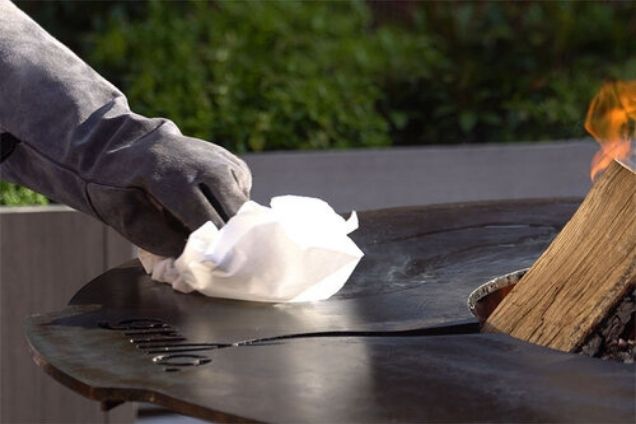
How to clean and oil the hotplate:
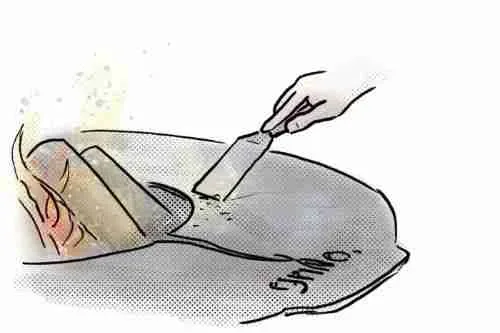
Step 1
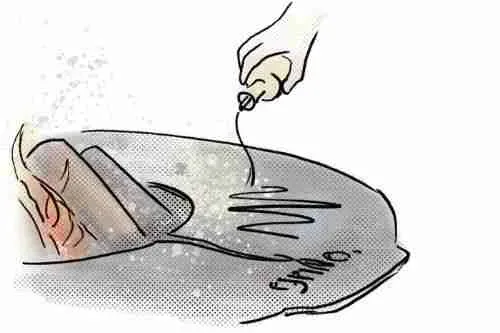
Step 2

Step 3
More Useful Tips
For more helpful information visit our How-To Video section. There are also some good tips for Iroko timber care and which gas bottle should you use in our news section.